

Why Do Paver Sealers Wash Away Every Year in Florida? (And How to Fix It)
If you are resealing your pavers every single year, the sealer is not the problem — the timing, the type, or the surface prep is.
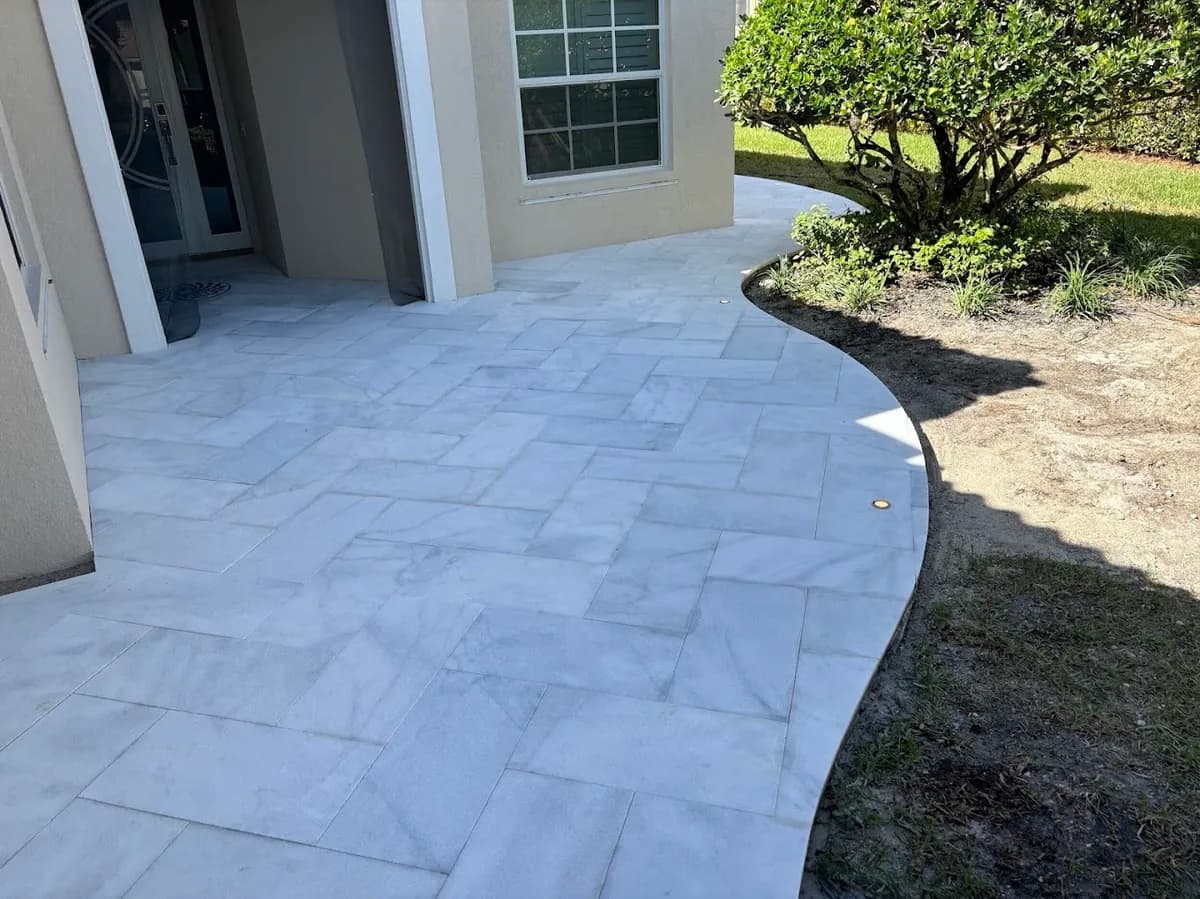
The Complaint I Hear Every Spring
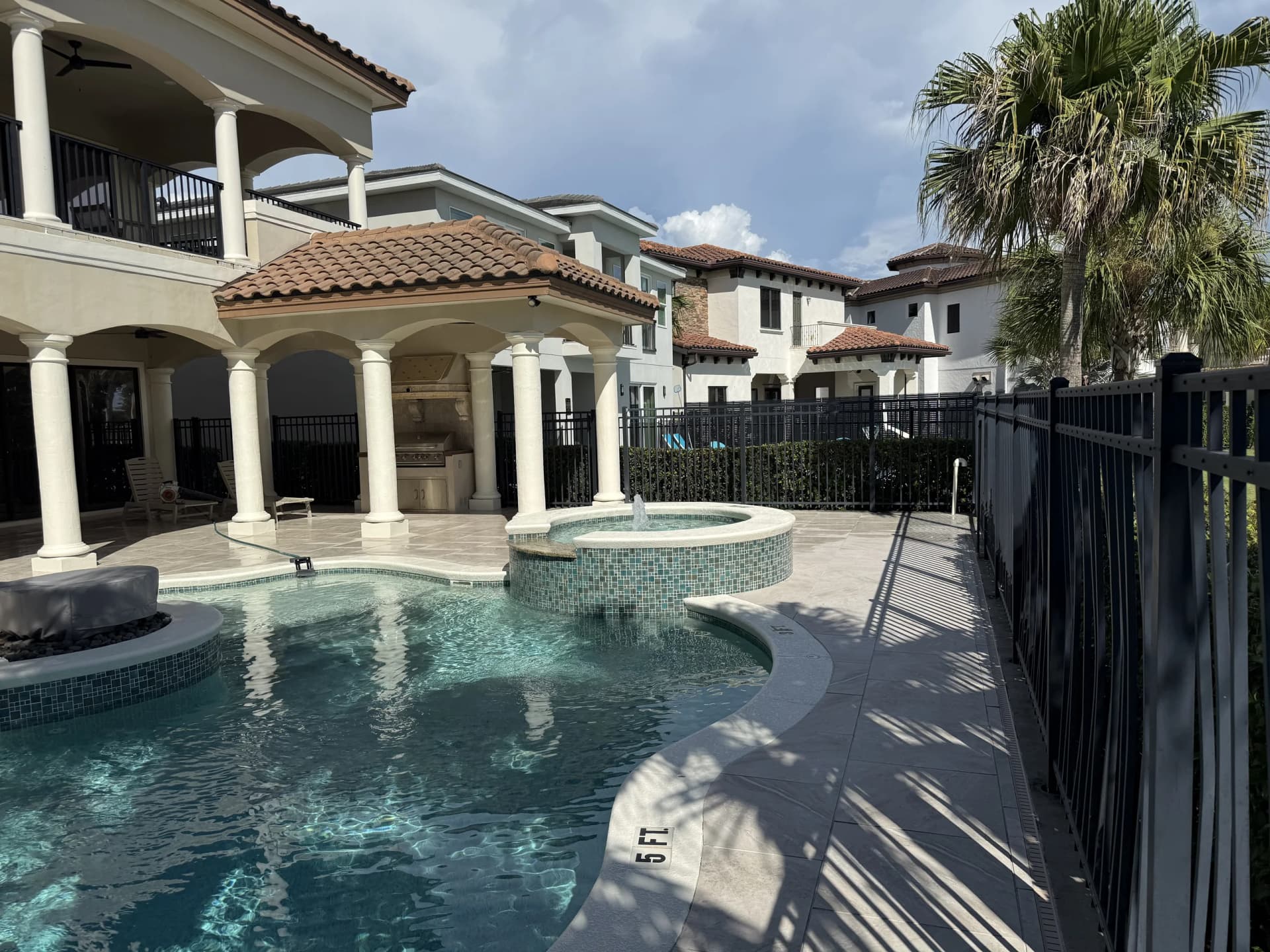
I get some version of this call every March or April, right after the dry season winds down and homeowners walk outside to look at their patio before the summer rains start. We sealed this pool deck last year and it already looks patchy. Cloudy spots, peeling flakes near the pool coping, dull streaks where the sprinklers hit — it is almost always the same pattern, and it is almost never a bad batch of sealer. It is Florida doing what Florida does to a coating that was never suited for this climate in the first place.
I have crawled under enough decks and pulled up enough sample pavers to know the difference between a sealer that failed because of a product defect and one that failed because of how and when it was applied. The second case is what I run into constantly, and the frustrating part is that it is completely avoidable once you understand what is actually happening underneath that shiny topcoat.
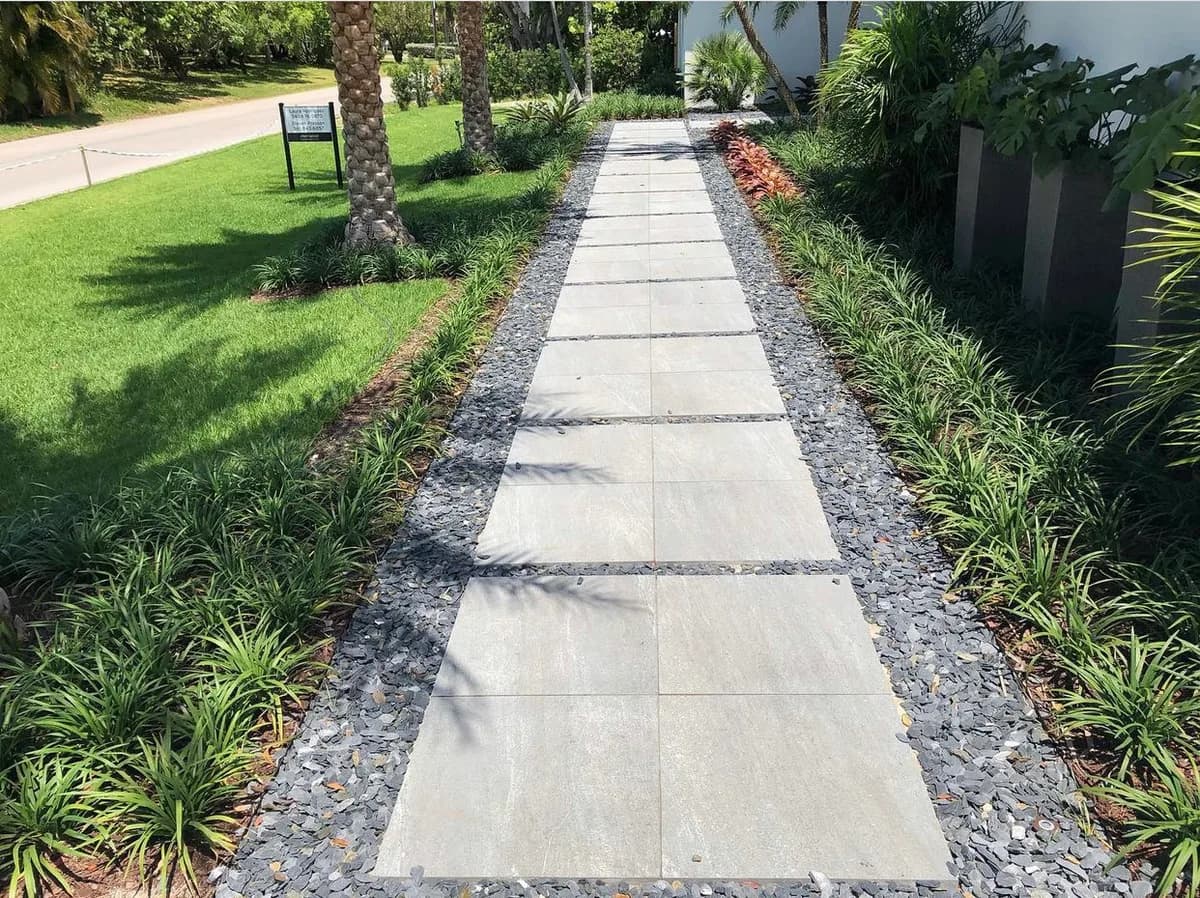
Cause One and Two: Trapped Moisture and the Wrong Kind of Sealer
Florida sits close to a high water table, and between afternoon storms, irrigation cycles, and humidity that barely drops even overnight, our pavers rarely get a true dry window. A film-forming (topical) sealer needs the paver to be fully dry all the way through before it cures, because it forms a solid layer on top of the surface. If moisture is still working its way up from the base when that film sets, it gets trapped underneath. That trapped vapor has nowhere to go, so it pushes against the coating from below until it lifts, bubbles, and eventually flakes off in sheets. Homeowners see this and assume the sealer wore off, but it did not wear off — it got shoved off from underneath.
This is compounded by product selection. A lot of the sealers sold at big box stores are film-formers because they give that wet, glossy look people want on day one. But a topical film sitting on a surface that sees daily rain, pool splash-out, and sprinkler overspray is fighting a losing battle in this climate. A penetrating, or impregnating, sealer works completely differently — it soaks into the pores of the paver and bonds below the surface instead of sitting on top. There is no film to trap moisture and nothing sitting proud of the surface for water to peel away. That single difference is why penetrating sealers routinely outlast topical ones here by several years, not several months.
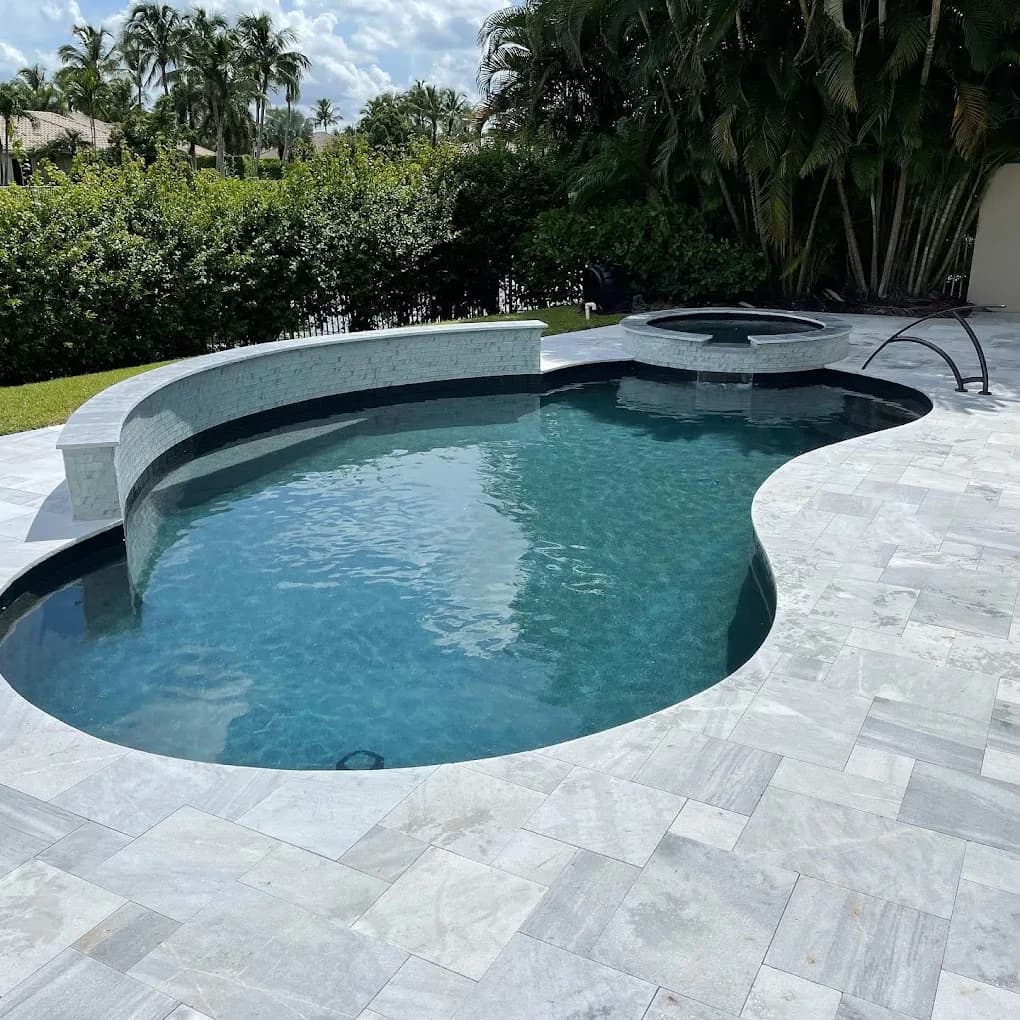
Cause Three, Four, and Five: Efflorescence, UV, and Bad Prep
Efflorescence is that white, chalky haze that rises out of concrete pavers as moisture wicks salts and minerals up to the surface. It is normal for the first several months after installation, but if you seal over it, you lock that haze in permanently and give the sealer a weak, dusty layer to bond to instead of clean paver. That bond fails fast. I tell every customer with new concrete pavers to wait through at least one full wet-dry cycle, and often longer here, before we even think about sealing, so the efflorescence has time to work itself out and get washed away naturally.
Then there is the daily beating Florida gives any topical coating: intense UV breaking down the resin, afternoon thunderstorms driving water into every seam, and irrigation heads that clip the same six feet of paver every single morning. A film sealer degrades under that combination faster than the label ever accounts for. And none of it matters if the surface was not properly cleaned and prepped beforehand — sealing over dirt, algae, old sealer residue, or sand dust just gives the new coat a weak layer to grip instead of the paver itself. Pressure washing, letting the surface cure, and confirming a true dry window before application is not optional here, it is the difference between a sealer that lasts and one that is back to square one by next spring.
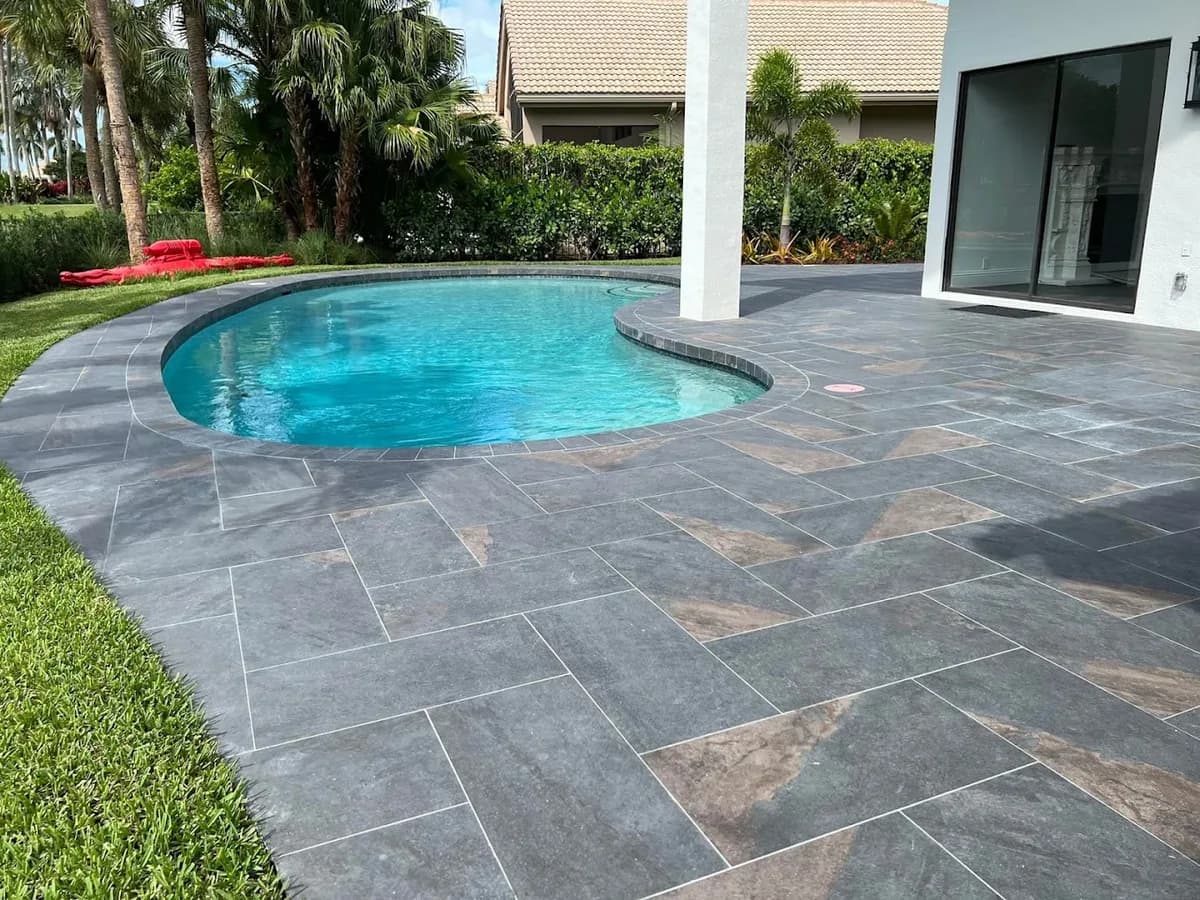
The Real Fix: Right Sealer, Right Timing, or No Sealer at All
For concrete or travertine pavers, my process is the same every time: pressure wash and let the surface fully cure, confirm we are working with a genuine dry window rather than a lucky gap between storms, check that any efflorescence has cleared, and then apply a penetrating sealer that bonds into the material instead of sitting on top of it. Done this way, a sealer job should hold up for several years in this climate, not one rainy season. If a topical, glossy look is what you want for a specific area, it can be done, but it needs more frequent maintenance and should go in with eyes open about that tradeoff.
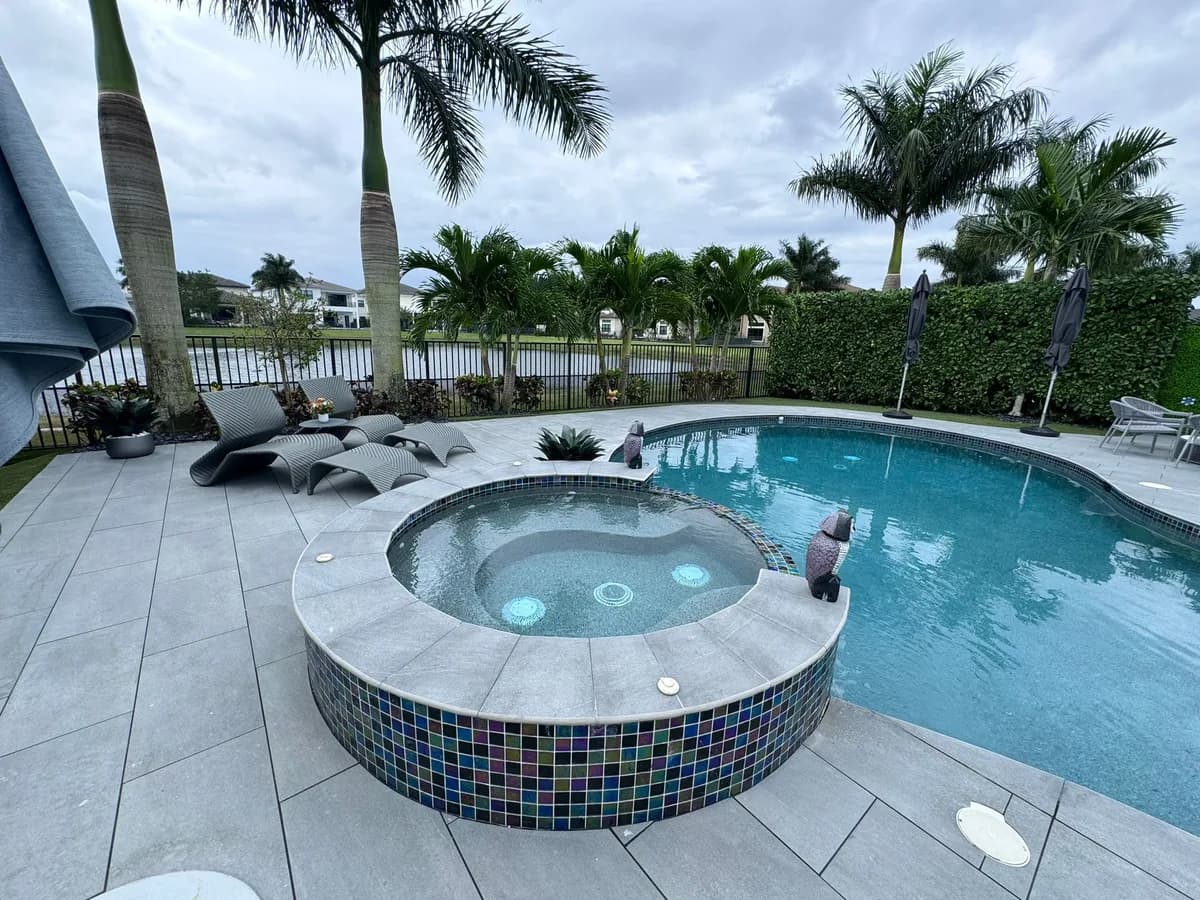
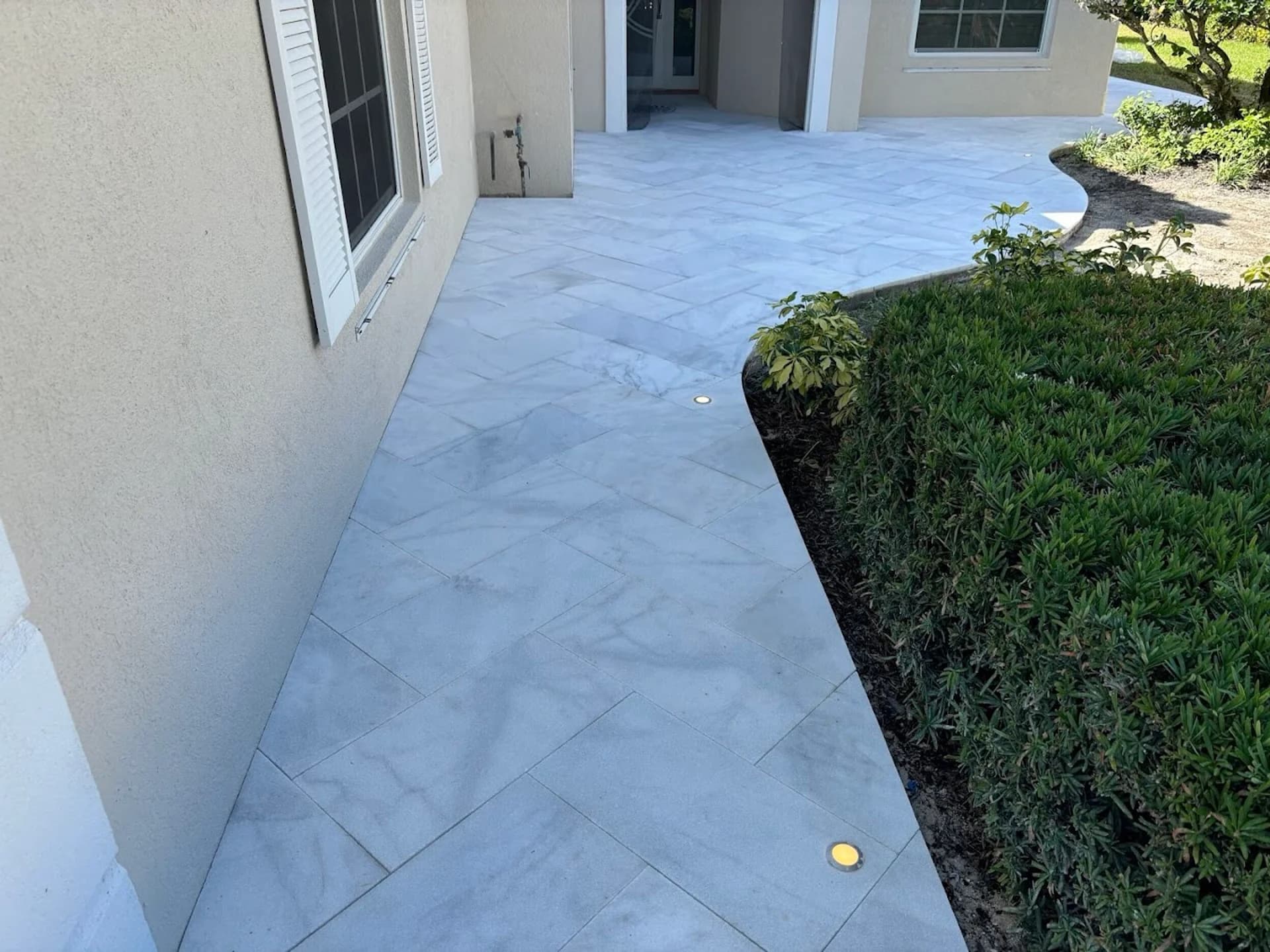
The bigger insight, though, is that not every surface needs this conversation at all. Porcelain pavers are dense and essentially non-porous, so there is no pore structure for water to soak into and no efflorescence to manage — which means no sealing cycle, ever. For pool decks and patios where the yearly reseal has become a chore you dread, switching the material itself is often the real fix, not just changing which sealer we use.
Financing Available
See your monthly payment before you decide
Compare real offers from more than twenty lenders through Acorn Finance, our financing partner. It takes about a minute, and checking does not affect your credit score.
Pay the way that suits you: credit and debit cards, bank transfer or check — or finance the project over monthly payments through our partner.
- Offers from 20+ lenders
- Pre-qualify in about 60 seconds
- No impact on your credit score

Financing is provided through Acorn Finance, an independent lending marketplace. EC Paver Solutions is not a lender and does not set rates or terms. Pre-qualification uses a soft credit inquiry and does not affect your credit score; final rates and terms come from the lender and are subject to approval.
Frequently Asked Questions
Why does my paver sealer wash away every year?+
What is the best sealer for pavers in Florida?+
How long should you wait before sealing new pavers in Florida?+
Do porcelain pavers need to be sealed?+
Penetrating vs film-forming paver sealer — which is better in Florida?+
Tired of resealing every year?
Let us assess your pavers and give you an honest recommendation — whether that is a proper penetrating seal job or a material switch that ends the cycle for good.

Written by
EC Paver Solutions
EC Paver Solutions delivers premium paver installation across Sarasota, Bradenton, Lakewood Ranch, Tampa, Orlando, and Fort Myers. Hardscape.com Certified — the only certified hardscape contractor across five Florida counties.