Porcelain Pavers vs Travertine for Florida Pool Decks: Which Is Right for You?
If you’re planning a pool deck upgrade in Southwest or Central Florida, one question comes up more than almost any other: porcelain pavers vs travertine Florida homeowners keep asking which material wins. The honest answer is that both are excellent choices — but they perform differently under Florida’s intense sun, heavy rainfall, and year-round outdoor use. Choosing the wrong one can cost you in maintenance, comfort, and long-term durability. This guide breaks down exactly what separates these two materials so you can make a confident, informed decision.
Understanding What Florida’s Climate Actually Demands from Pool Deck Materials
Florida’s outdoor environment is unlike anywhere else in the country. Pool decks in Sarasota, Bradenton, and Tampa are exposed to UV radiation nearly every day of the year. Summer brings relentless heat that can make certain surfaces dangerous to walk on barefoot. Afternoon thunderstorms, high humidity, and the occasional tropical storm add further stress to any paved surface.
Salt air is another factor for homeowners near the Gulf Coast. Coastal communities in Pinellas and Pasco counties deal with airborne salt that accelerates the deterioration of porous materials. On top of that, Florida pool decks are not seasonal — they’re used 10 to 12 months per year, which means wear accumulates faster than in northern climates.
Any material you choose for your pool decks needs to handle all of these conditions simultaneously, year after year, without fading, cracking, or becoming a slip hazard. Both porcelain and travertine can meet that standard — but they do it in different ways.
Porcelain Pavers: The High-Performance Option for Modern Florida Homes
Porcelain pavers are engineered from dense, kiln-fired clay that is fired at extremely high temperatures. The result is a surface that is virtually non-porous, highly resistant to staining, and remarkably consistent in color and texture. For Florida homeowners who want a low-maintenance, contemporary look, porcelain is often the first recommendation.
Heat and UV Performance
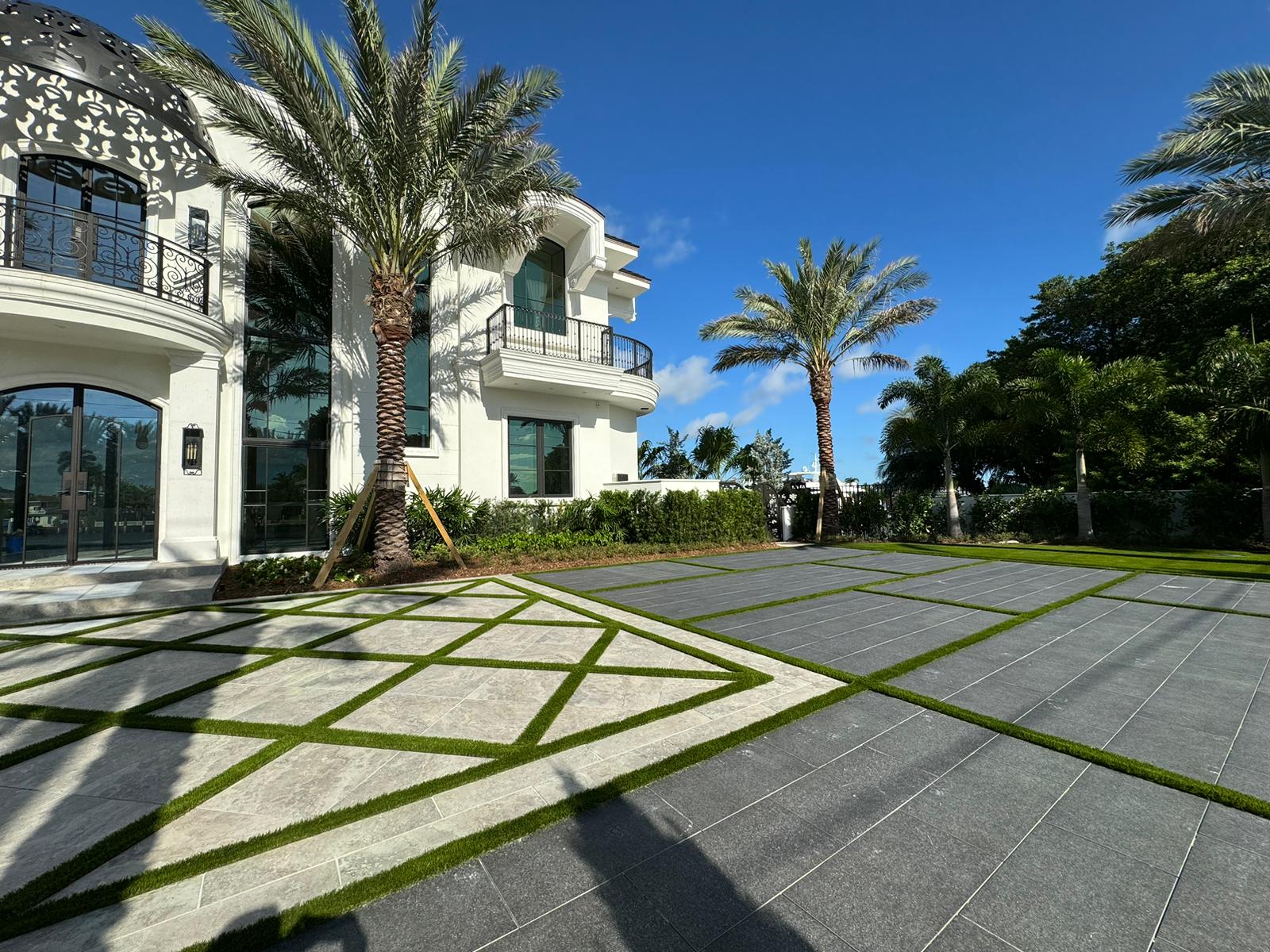
Porcelain pavers are available in lighter colorways that reflect rather than absorb solar heat, which keeps surface temperatures more comfortable underfoot during peak summer hours. The material does not fade from UV exposure the way some natural stones can over time. That means the slate gray, warm ivory, or wood-look finish you choose on day one still looks the same five years later.
Moisture and Slip Resistance
Because porcelain is essentially non-porous, it does not absorb water or harbor mold and mildew the way some natural materials can. Many porcelain pavers designed for outdoor use carry a textured surface rating that provides solid grip even when wet — a critical safety factor around any pool. Routine cleaning typically requires little more than a hose-down or light pressure wash.
Durability and Longevity
Porcelain is dense and hard, making it highly resistant to chips, scratches, and surface wear. It handles the freeze-thaw cycle without cracking — though that’s less relevant in Florida, the same density that provides freeze protection also means it stands up exceptionally well to hurricane-season debris and heavy patio furniture dragged across its surface.
- Non-porous — resists staining from pool chemicals, sunscreen, and food
- Consistent color — does not fade or shift with UV exposure
- Low maintenance — no sealing required in most applications
- Wide design range — wood looks, stone looks, and solid contemporary finishes
- Slip-resistant surface options available for wet environments
Travertine Pavers: The Timeless Natural Stone That Florida Loves
Travertine pavers have been a staple of Florida pool decks for decades — and for good reason. This natural limestone is quarried in warm earth tones that complement the Florida landscape beautifully, and it has a natural thermal property that sets it apart from most other paving materials.
Surface Temperature: Travertine’s Signature Advantage
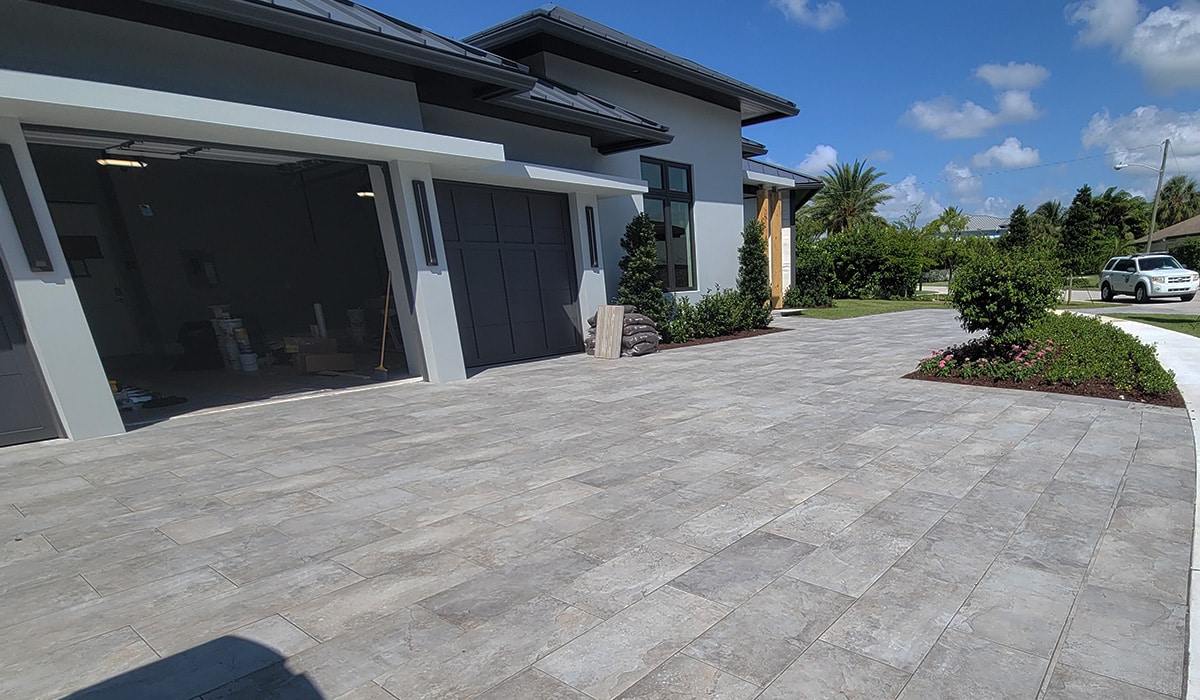
Travertine stays noticeably cooler underfoot than many other paving materials, even under direct Florida sun. The stone’s natural composition and its light, creamy coloring reflect heat rather than absorbing it. For families with children running barefoot between the house and the pool, this is often the deciding factor. Homeowners in Lakewood Ranch and Orlando who entertain outdoors regularly cite this comfort benefit again and again.
Natural Aesthetic and Versatility
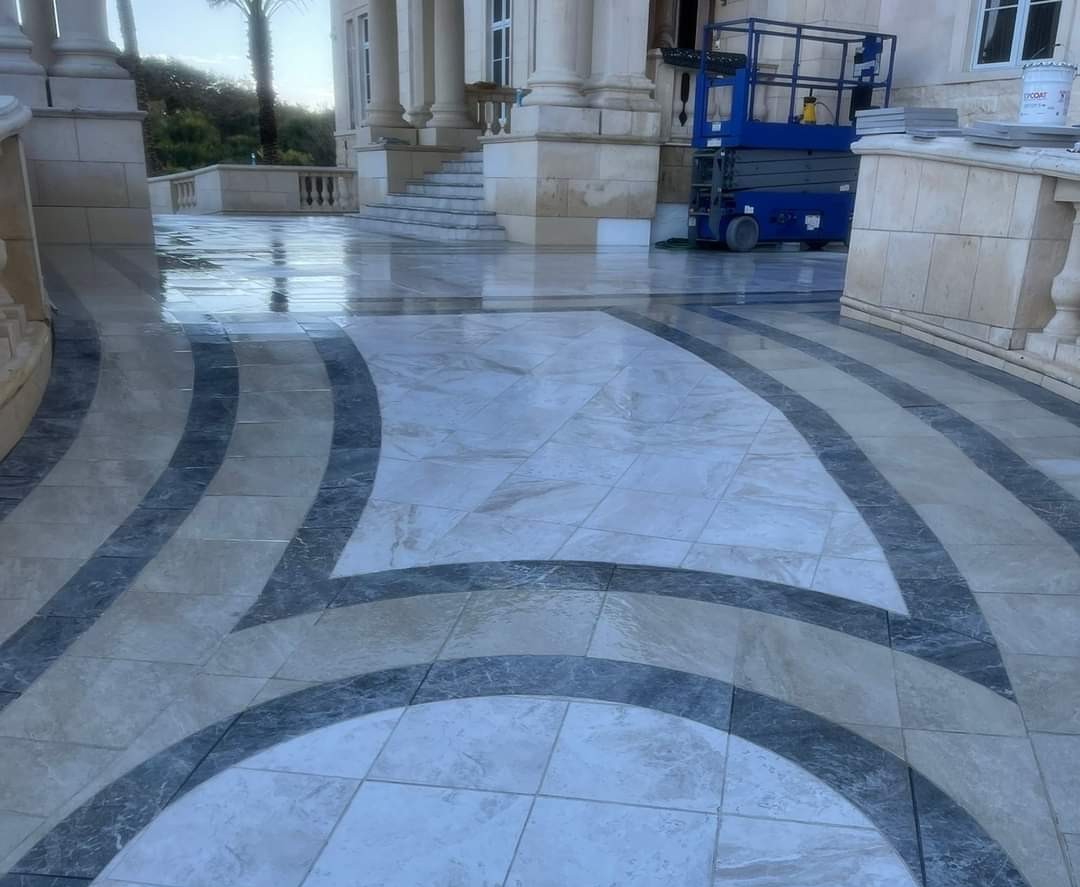
Each travertine tile is unique, with natural veining, tonal variation, and organic texture that no manufactured product can fully replicate. It carries a warmth and elegance that works beautifully with both traditional Mediterranean-style homes and more transitional Florida architecture. The material also pairs well with other hardscape features — it flows naturally from a pool deck onto patios and lanais or along walkways leading through your outdoor space.
Maintenance Considerations for Travertine in Florida
Because travertine is a natural, porous stone, it does require periodic sealing — especially in Florida’s humid climate where mold and algae can find their way into unsealed surfaces. Pool chemicals and certain cleaners can etch or discolor unsealed travertine, so staying on a sealing schedule matters. That said, a properly sealed and well-maintained travertine deck is a long-lasting, gorgeous surface that holds up reliably in our climate.
- Naturally cool surface temperature — ideal for barefoot comfort
- Organic, distinctive appearance — no two installations look identical
- Proven performance in Florida’s climate over decades of use
- Pairs elegantly with pools, water features, and lush landscaping
- Requires sealing every 2–4 years depending on exposure and use
Porcelain vs Travertine: A Side-by-Side Comparison for Florida Pool Decks
When weighing porcelain pavers vs travertine Florida conditions should drive your decision as much as aesthetics. Here is a direct comparison across the factors that matter most to Florida homeowners:
- Heat underfoot: Travertine runs cooler naturally; light-colored porcelain performs well but may absorb slightly more heat depending on the finish
- Maintenance: Porcelain requires minimal upkeep; travertine requires periodic sealing
- Slip resistance: Both are available in slip-resistant finishes; verify the surface texture rating for any pool deck application
- Aesthetic style: Porcelain offers a wider range of contemporary looks; travertine delivers natural warmth and timeless character
- Stain resistance: Porcelain has the edge due to its non-porous surface; sealed travertine performs well but needs attention
- Longevity: Both are highly durable when properly installed; installation quality matters as much as material choice
- Cost: Both are premium materials; pricing varies by tile size, finish, and project complexity — neither is a budget shortcut
If your priority is a sleek, modern look with absolute minimum maintenance, porcelain is likely your best fit. If you want natural stone character and the benefit of a surface that stays cool under the Florida sun, travertine is a proven, beautiful choice. Many homeowners find that talking through their specific lifestyle and outdoor habits with an experienced installer makes the decision straightforward.
It’s also worth noting that the same decision process applies when planning other outdoor surfaces. Whether you’re considering driveway paver installation or integrating artificial turf into your outdoor design, material selection should always account for Florida’s specific demands.
Frequently Asked Questions
Is porcelain or travertine better for a Florida pool deck?
Both materials perform well in Florida’s climate when properly installed. Porcelain offers lower maintenance and greater stain resistance, while travertine provides a naturally cooler surface and a timeless organic aesthetic. The better choice depends on your lifestyle, design preferences, and how much upkeep you’re willing to do.
Does travertine get too hot in the Florida sun?
Travertine is actually one of the cooler natural stone options available for pool decks. Its light coloring and natural composition help reflect solar heat, making it more comfortable underfoot than many alternatives. Choosing a lighter tone further improves its performance in direct sun.
Do porcelain pavers need to be sealed around a pool?
In most applications, porcelain pavers do not require sealing because they are non-porous by nature. This is one of the key maintenance advantages porcelain holds over natural stone options. Your installer can confirm whether any sealing is recommended based on your specific product and setting.
How often does travertine need to be sealed in Florida?
In Florida’s humid climate with frequent rainfall and pool chemical exposure, travertine pool decks generally benefit from sealing every two to four years. High-traffic areas or surfaces with heavy sun exposure may need attention more frequently. A qualified installer can assess your specific situation and recommend a maintenance schedule.
Can porcelain pavers crack in Florida’s heat?
Porcelain is an extremely dense, hard material that handles temperature fluctuations well. Cracking is far more likely to result from improper installation — inadequate base preparation or incorrect setting — than from heat alone. Choosing an experienced installer with proper technique is the most important factor in preventing cracking.
Will either material hold up during hurricane season?
Both porcelain and travertine are heavy, stable materials that hold up well under normal hurricane-season conditions when correctly installed. Proper base preparation and professional installation are the most critical factors in ensuring your pool deck survives high winds, heavy rain, and storm debris without significant damage.
Ready to Choose the Right Pavers for Your Florida Pool Deck?
The porcelain pavers vs travertine Florida debate doesn’t have a single universal winner — it has the right answer for your home, your lifestyle, and your outdoor vision. What matters most is that you’re working with an installation team that knows these materials inside and out and understands how to build for Florida’s specific demands.
EC Paver Solutions serves homeowners across Sarasota, Bradenton, Tampa, Lakewood Ranch, Orlando, and the surrounding communities with premium hardscape installations backed by expert craftsmanship. We offer a 3D Design Preview so you can see exactly how your finished pool deck, patio, or walkway will look before a single paver is placed.
Call us today at +1 (941) 250-4635 or request a free estimate and let’s build something you’ll enjoy every day of the year.